
November 5, 2026 · By Jeremy Nason
Why Filipino Agents Stop at One Policy: The Missing Skill
If you’re a Filipino agent who has ever closed one policy and then quietly wondered, “Now what?” you’re not alone, and you’re not lazy. Insurance penetration in the Philippines hit just 1.89% in Q1 2025, and many families still see life insurance as non-essential when food, housing, and utilities eat most of the budget. That’s exactly why stopping at one policy can feel normal. But the barrier to bigger cases isn’t product knowledge. It’s a missing skill: running a structured household review, mapping every family member’s risk, agreeing on the order of priorities, and booking the next review before you leave.
In this post, we’ll cover why Filipino agents stop after one policy, what to prepare before you run a household review, then walk through the steps: opening the review without pitching, mapping every family member’s risk, agreeing the order of priorities, and booking the next review before you leave. We’ll also look at the follow-up cadence that keeps the household open, common mistakes that close the door, and how one sale becomes a relationship.
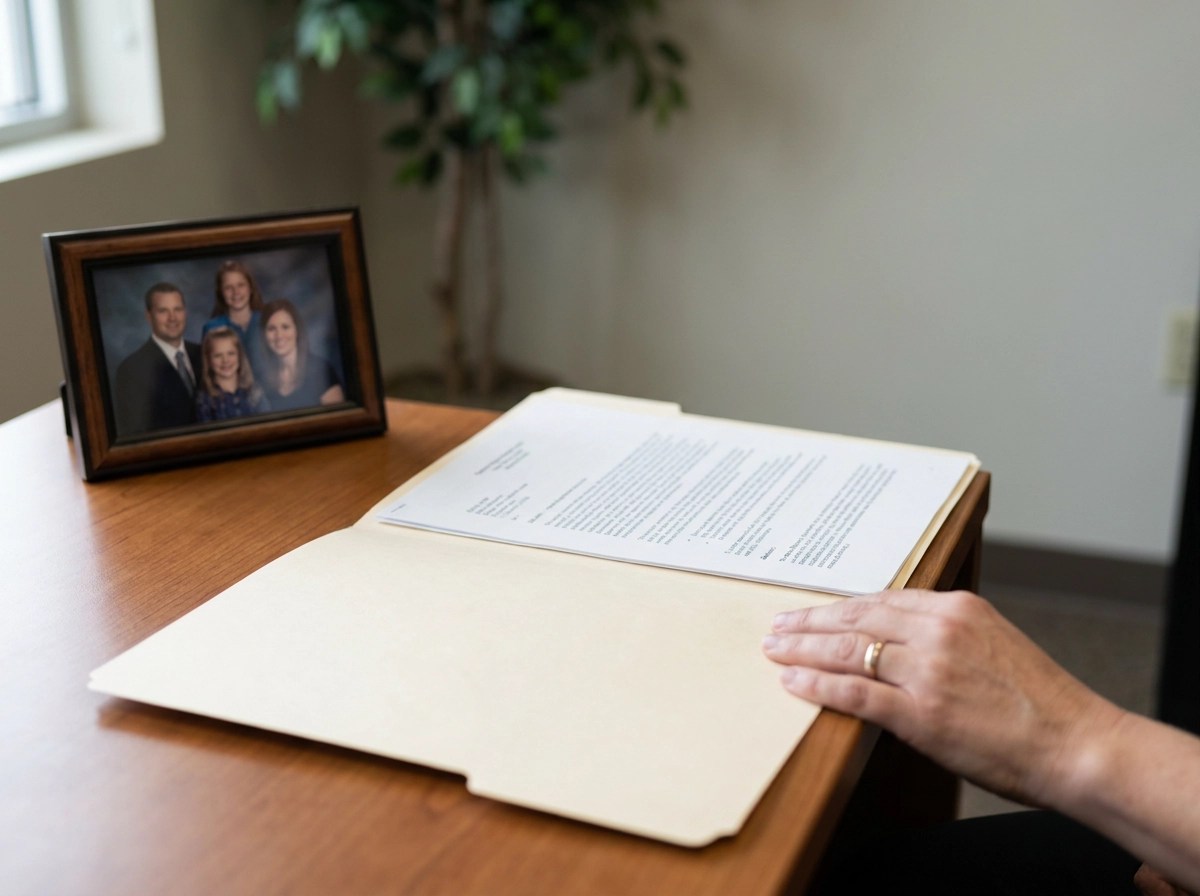
Why Filipino Agents Stop After One Policy
To be clear about the framing: this is Insurance Pro Shop’s observation from coaching Filipino agents, not a research finding. But the pattern repeats. Agents who sell one policy and stop rarely lack product knowledge. Nobody taught them to review a whole family’s risk in one sitting.
The backdrop makes that gap costly. Philippine insurance penetration reached 1.89% in Q1 2025, and a 2025 IJFMR study notes penetration remains below 2% of GDP, among the lowest in ASEAN. Most Filipino families still carry no cover.
Then there is the budget. The same study cites an average household income of Php 307,190, about USD 5,549, with food, housing, and utilities dominating spending and life insurance often seen as non-essential. One premium has to compete with rent.
In the Metro Manila PLS-SEM survey, subjective norms, perceived demand, and financial behavior significantly predicted purchase intention, while financial literacy did not. Families move when the need is visible and the people around them are already moving, not when they are lectured.
One policy feels like the finish line because the agent’s unit of work is a sale, not a household. Change the unit of work and the case size changes with it. That shift is the same one behind building an owned prospect pipeline instead of buying leads.

What to Prepare Before You Run a Household Review
Prep starts the night before. Five things in your bag make the difference between a household review and another product conversation.
- Family roster first. Write down names, ages, relationships, who earns, who depends on those earnings, and who lives under the same roof. This is the step that turns an upgrade pitch into a household review.
- The existing policy, in detail. Face amount, riders, premium and payment mode, beneficiary designations, and what it does not cover. Arriving blind is how reviews slide back into product pitches, the presentation-stage trap that costs agents the sale.
- A one-page framework you reuse. Income replacement, outstanding loans, education funding, health and medical gaps, retirement, and final expenses. Same page, every family, every time.
- Your permission line, practised. Say it plainly: “Let us look at the whole family so nothing gets missed.” Have the policy copy open when you say it, so the moment feels like checking, not selling.
- Your calendar, visible. Keep the next available review slot on screen and carry a way to leave a written summary behind. That makes the second appointment easy to place before the first one ends.
With those five ready, you can open the review as a checkup rather than a pitch.
Step 1: Open the Household Review Without Pitching
With your roster and framework ready, the first two minutes decide whether this becomes a review or another pitch.
Say the purpose out loud: “Before we talk about any new policy, let us look at the whole household so nothing gets missed.” That one sentence is the line between checking and selling.
Then set the agenda and the clock. Forty-five to 60 minutes, one page of notes, no decision required today. Saying this plainly removes the pressure you feel to close in a single sitting, and that habit is exactly what keeps cases small.
Ask for household-level permission, not policy-level permission: “Can we include your spouse, your children, and your parents in this picture?” Most clients say yes when the ask is about the family, not about a product.
Open with one diagnostic question per family member instead of a product question: “If something happened to this person tomorrow, what would the household have to replace first?” One question per person, pen moving the whole time.
When you hear “I already have insurance,” have the answer ready: “Great, let us check what it actually covers.” The review usually surfaces gaps in riders, term length, or beneficiary designations rather than a duplicate policy.
Trust is the real currency in this conversation, so if you want more households to practise on, prospecting for life insurance in the Philippines starts with the people already closest to you.
From here, the map is open. Next, you fill it in.
Step 2: Map Every Family Member’s Risk
Now put the pen to work. List every person under the roof, not just the policyholder: the earning spouse, the non-earning spouse whose work would need replacing, the children, aging parents living at home, and any freelancer or business owner with no employer benefits.
Beside each name, write numbers, not adjectives. Years of income to replace. Outstanding loans. Tuition timelines. Medical gaps above what PhilHealth covers. Final expenses.
Then log existing coverage on the same page, by source: employer group life, an old policy, a spouse’s plan, or nothing. What is covered, by whom, and how much is left over is the point of the map.
Separate needs from wants as you write. Income replacement and education funding come before upgrades. Naming that difference keeps the talk honest and pressure-free.
Keep the whole thing to one page the family can see and keep. A visible gap does more work than any pitch, and it becomes the agenda for the next review. The same instinct for warm, exclusive contact that makes How UK Life Insurance Agents Can Generate Their Own Leads With Direct Mail work applies here: this map gives you a specific reason to return.
Step 3: Agree the Order of Priorities
With the one-page map in front of them, the family, not you, decides what comes first. Ask one question: if we could only fix one thing this year, what would hurt the most if it happened tomorrow? That answer takes the first slot.
Sequence by severity and affordability, not by commission. The IJFMR study cites an estimated average household income of Php 307,190, so a smaller premium the family can hold beats a large one that lapses in month four.
Now say the order back and write it down: policyholder cover first, then the spouse’s income, then a child’s education or a health gap, then a look at retirement and final expenses.
Name the product for the next slot in plain words. “Next, we look at term cover for your husband’s income.” No pressure to buy today; the goal here is agreement on order, not a signature.
Confirm the sequence out loud, in their own words. Hearing their priority list repeated back makes the next appointment predictable instead of awkward, and that same clarity is what later turns a household into a referral source, the approach behind building a referral engine that replaces bought leads.
Step 4: Book the Next Review Before You Leave
Once the family has heard its own priority list read back, you have minutes of goodwill left in the room. Spend them booking the next review, not saying goodbye.
Book a review, not a follow-up call. A dated, timed appointment with an agenda is far harder to cancel than a vague “I will get back to you.” Tie the date to something already happening in their life: a birthday, a loan payoff, a policy renewal, a child starting school, or a job change. A trigger turns the meeting into service, not a sales call.
Keep one line ready so the ask never sounds improvised: “Let us meet on [date] to look at the risk we ranked first.” Say it, then confirm it on the spot in writing. Send a calendar invite or a text carrying the date and the agenda, so the appointment lives somewhere other than your memory.
Before you leave, hand over the one-page risk map. The next conversation then starts where this one ended, with the same gaps and the same agreed order, and nobody has to rebuild the picture from scratch. If a household needs a softer bridge into that second meeting, a short live webinar can carry the pre-selling work; learn how to structure one that turns cold prospects into ready buyers. That date is where the follow-up cadence begins.
The Follow-Up Cadence That Keeps the Household Open
A booked review only holds if something happens between now and then. Lock one cadence and repeat it on every household.
- 24 to 48 hours: a written summary of the risk map.
- 7 to 10 days: a short check-in.
- Around 30 days: the decision conversation on the priority you agreed.
- Then quarterly service touches and a full annual review.
Send that summary to the spouse and adult children too. The review survives even if the policyholder goes quiet for a month.
Trigger-based touches beat calendar-only ones: a new baby, a new loan, a job change, a family claim, or a shift in OFW remittances. A dated update beats a generic greeting.
Keep touches service-first: beneficiary updates, policy and rider reviews, payment mode checks, reminders about cover that lapsed elsewhere. The 2025 IJFMR study found purchase intention was driven by social norms and perceived demand, so a family hearing about cover from people it trusts matters.
Referrals then arrive on their own. A household that has seen its own risk map can name a relative with the same gap.
That same repeat-touch logic is what makes CRM follow-up sequences for life insurance agents work. The sequence, not the pitch, keeps the door open.
This cadence is a recommendation from Insurance Pro Shop, not a measured result.
Common Mistakes That Close the Household Door
A strong cadence still collapses if the review itself goes off track. Watch for these five habits, because each one quietly closes the household door.
Turning the review into a product presentation. When you talk features instead of writing the map, the family leaves with nothing to look at and no reason to meet again.
Reviewing only the policyholder. Skip the non-earning spouse, the children, and the parents at home, and most of the household’s real exposure never reaches the page. The map looks complete when it is not.
Pushing a second policy before the order of priorities is agreed. Pressure at that moment costs you the relationship and the referral, which is exactly what a non-pressure approach exists to protect.
Leaving without a booked date. “I will text you” is not a cadence. It is also the easiest thing in the whole process to fix, so fix it first.
Leaving no written summary behind. Without the one-page map, the family forgets the gaps and the next meeting starts from zero.
Catch these five early and the household stays open. The next step is running the review on the clients you already have.
From One Policy to a Relationship: Your Next Move
Now put the lesson to work on your existing book. Choose the last five clients who bought a single policy from you and map the rest of each household this month. Time-box every review: 45 to 60 minutes, one page of notes, and one booked follow-up before you leave the house. That follow-up is where one sale becomes a relationship, not another pitch. If you want to sharpen the sequencing conversation, Insurance Pro Shop offers live webinars, group coaching, and case design classes built around retirement, life, and annuity sales without pressure selling. For a wider pipeline, read how to make prospects come to you with inbound lead generation. But start small: pick one household this week, prepare the roster and the one-page framework, and book the next review before you walk out the door. Four appointments like that will teach you more than any script can.
Conclusion
Stopping at one policy is rarely a client problem. It is a missing household review skill. The fix is a repeatable sequence: prepare before the visit, open the review without pitching, map every family member’s risk, agree priorities, and book the next review before you leave.
Equally important, leave a one-page written summary and follow a real cadence so the household stays open. Small mistakes close that door; consistency keeps it open.
Your next step: choose one existing client this week, prepare the roster and one-page framework, and book the next review before you walk out. If you want to sharpen the sequencing conversation, Insurance Pro Shop offers live webinars, group coaching, and case design classes built around retirement, life, and annuity sales without pressure selling. One household can turn a single sale into a relationship. Start there.